Africa’s Energy Transition Outlook
Africa's energy transition growth requires continuous investment in infrastructure and increasing focus towards emerging renewable energy options.

Energy transition entails not just shifting from fossil fuels to cleaner sources such as solar, wind, hydropower, and biomass, but also adopting sustainable technologies and processes to support a low-carbon future. With its abundant renewable resources, Africa is uniquely positioned to play a key role energy transition globally. As population growth continues to drive energy demand, a major concern arises for Africa in its energy transition story. Is Africa adopting renewable energy solutions rapidly enough to meet its increasing energy demand or will this growing demand still be met by fossil fuels? The answer will fundamentally define Africa’s future and its global role in the transition to low-carbon energy.
What is the current state of energy transition in Africa?
Governments, private corporations, and international organizations are all investing in renewable energy projects, ranging from large-scale solar and wind farms to decentralized off-grid solutions. Off-grid solar solutions are rapidly expanding, providing clean energy to remote communities and addressing rural electrification challenges. The falling costs of solar technology has accelerated its adoption and made this growth more achievable. Solar power is proving to be relatively cheaper than alternative sources of electricity, providing a cost-saving incentive for households and businesses alike.
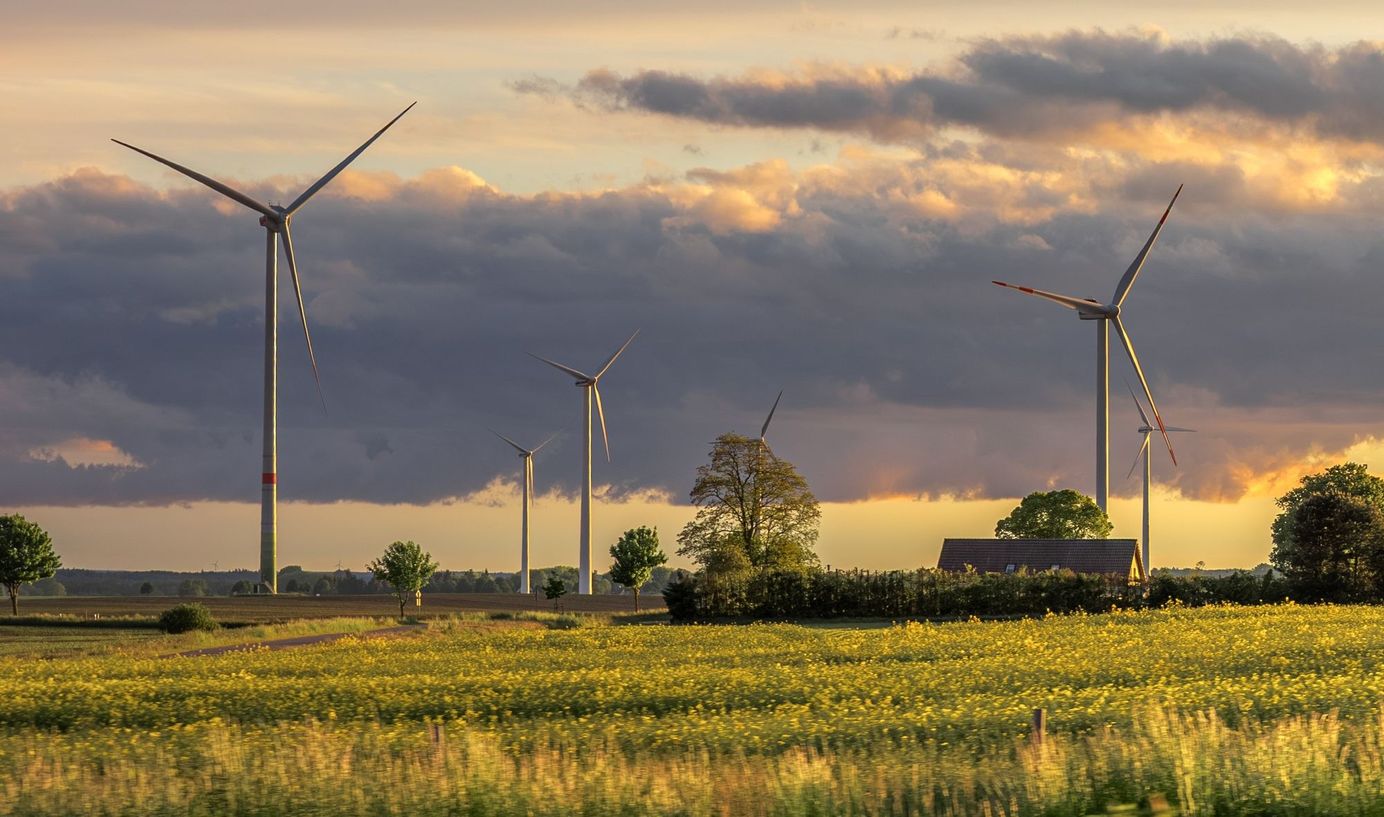
The overall renewable energy capacity in Africa is steadily rising. In 2024, the continent added about 4.2 GW of renewable energy capacity. This growth was driven by a mix of solar, wind, and hydropower. Wind capacity across Africa has jumped significantly over the last decade from 2.4 GW to over 10 GW. Hydropower remains a backbone of the clean‑energy mix. Sustained investment, technology transfer, and supportive policies will be crucial to accelerate Africa's renewable energy growth and economic progress.
Emerging renewable energy opportunities for Africa
Amidst challenges facing renewable energy growth in Africa, increasing focus towards these emerging renewable energy options would be a turning point in its energy transition journey.
Critical minerals: The global shift to clean energy depends heavily on critical minerals. Technologies such as solar panels, wind turbines, and electric vehicles require far more minerals than traditional energy systems. As renewable energy projects and EV adoption accelerate, global demand for these minerals is expected to rise significantly. Africa holds vast reserves of key minerals such as cobalt, copper, lithium, and Platinum Group Metals (PGMs). This places the continent at the heart of this transformation. Africa also has the strategic opportunity to generate far greater economic value by going beyond raw extraction and expanding into the processing and refining of these minerals.
Hydrogen: With abundant renewable resources and a strategic location, Africa is well placed to become a competitive producer and future exporter of low-carbon hydrogen and its derivatives. This offers long-term prospects for green industrialisation, job creation, and sustainable fertiliser production, especially as global demand for clean fuels accelerates. African countries such as South Africa, Mauritania, Djibouti and Namibia are already actively pursuing wind-powered green hydrogen production. Emerging regulations in Europe and Asia-Pacific on emissions and fuel blends create a unique opportunity for Africa to position itself as a major exporter of green hydrogen.
Emissions reduction in upstream oil and gas decarbonisation: Africa’s upstream oil and gas sector faces high emissions intensity, with flaring accounting for nearly half of total upstream emissions in 2024. Capturing vented methane and monetising associated gas could deliver both environmental and economic benefits. However, regulatory hurdles, infrastructure gaps, and financing constraints continue to slow progress.
What is needed to scale Africa’s Energy Transition?
Scaling Africa’s energy transition requires increased investment in renewable infrastructure. Public-private partnerships, amongst other innovative funding models would help close the gap in renewable energy investment across the continent. Investment in infrastructure is needed not only for generation systems and technologies but also transmission infrastructure. Kenya’s recent agreement to invest $311 million in infrastructure and transmission lines exemplifies the need for modernised grids and strong transmission networks to enhance reliability and expanded energy access particularly as renewable energy capacity grows.
Regional cooperation to develop cross-border energy trade and harmonised policies will further accelerate progress in the continents energy transition. Such cooperation will help to ensure unity in policy formulation and a collective approach to reaching net-zero targets.
Finally, proactive measures such as incentivising clean energy adoption, capacity development and strengthening regulatory frameworks are critical to overcoming current challenges.

FullyGreen Newsletter
Join the newsletter to receive the latest updates in your inbox.